Professional Paint Restoration After Body Repairs
Auto Paint & Refinishing in Toledo for vehicles requiring color matching, panel blending, and protective coatings after collision repairs or cosmetic restoration
Paint refinishing transforms repaired body panels from primer-coated surfaces into finishes that match the surrounding undamaged paint in color, texture, and gloss level. Computerized color matching at Fred's Auto Service INC analyzes the vehicle's existing paint to account for fading that occurs over years of sun exposure, creating custom spray formulas that blend seamlessly when applied to repaired panels. Toledo vehicle owners dealing with post-collision refinishing, scratch repair, or complete repainting rely on this facility to restore factory-like finishes that protect metal from corrosion while maintaining resale value through professional-quality appearance.
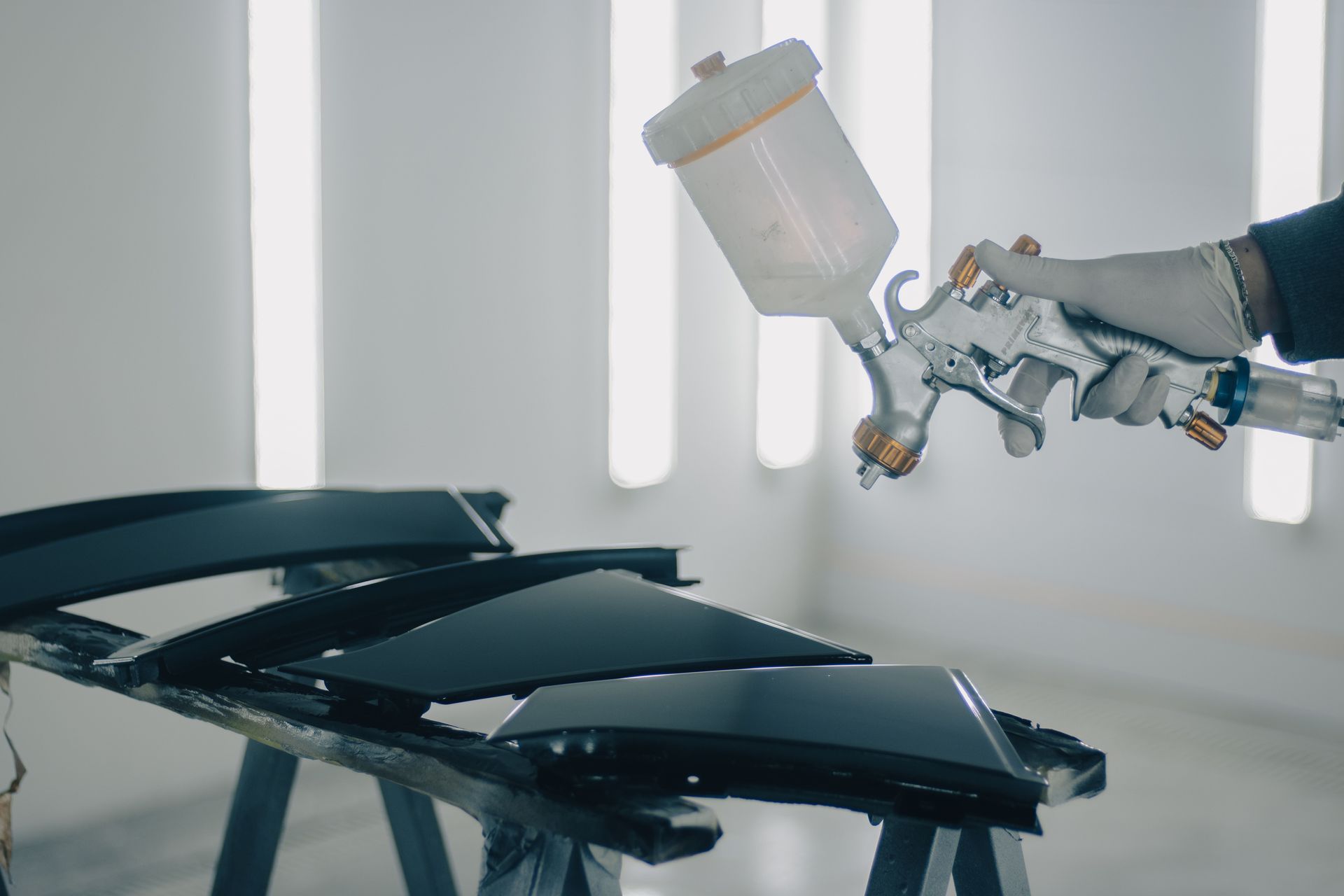
Auto paint refinishing involves surface preparation that removes contaminants and creates proper adhesion, application of primers that seal bare metal and fill minor surface imperfections, and multiple coats of color and clearcoat that build depth and durability. Blending techniques extend new paint beyond the repaired panel into adjacent undamaged areas, feathering the transition so the repair becomes invisible even under direct sunlight that would highlight color mismatches or texture differences between old and new finishes.
Schedule a paint refinishing estimate to review color matching options and the scope of blending required for invisible repairs.
Why Color Matching Creates Factory-Like Results
Computerized color matching compensates for paint fading that makes a five-year-old vehicle's finish noticeably lighter than the original factory color, capturing the current color with a spectrophotometer that measures red, blue, and yellow pigment ratios down to decimal-point precision. The system generates a custom spray formula that replicates the faded color, ensuring that newly painted panels match adjacent surfaces rather than standing out as darker, more saturated patches. Blending extends the new paint onto surrounding panels in gradual layers that create transitions too subtle for the human eye to detect.
After refinishing is complete, you'll notice that repaired panels reflect light at the same angle as the surrounding finish, with no visible line separating old paint from new. The color matches across all viewing angles—a critical test that reveals poor blending when metallic paints shift color as you walk around the vehicle. Clearcoat protection seals the finish against UV damage, road chemicals, and minor abrasions, providing the same durability that protects factory-applied paint from everyday exposure.
Refinishing quality affects long-term appearance because properly applied paint resists fading, peeling, and delamination that occur when surface preparation or application techniques fall short of manufacturer specifications. The work preserves vehicle value by eliminating visual evidence of repairs that would otherwise reduce buyer confidence during resale inspections or trade-in appraisals.
Paint and Refinishing Questions
Paint refinishing involves technical decisions about preparation methods, material selection, and blending strategies that affect both appearance and durability.
How does computerized color matching improve refinishing accuracy?
Spectrophotometers measure the exact color of the vehicle's current finish by analyzing reflected light wavelengths, then generate mixing formulas that account for years of fading so new paint matches the surrounding panels rather than the original factory color that no longer exists on an older vehicle.
What areas get refinished when repairing a single damaged panel?
Complete refinishing covers the damaged panel entirely, while blending extends new paint partway onto adjacent undamaged panels to create gradual color transitions that eliminate visible repair boundaries where old and new finishes meet.
Why does paint refinishing require multiple coats?
Base coats build color density and coverage over primer, while clearcoat layers add gloss and UV protection, with each coat applied in thin layers that prevent runs or sags and allow proper curing between applications.
What should I look for after paint refinishing is completed?
Inspect the finish under direct sunlight to confirm that color matches from all viewing angles, run your hand across panel edges to verify smooth transitions between refinished and original areas, and check that gloss levels match across the entire vehicle without dull spots or excessive shine.
How does Toledo's weather affect paint durability after refinishing?
Properly cured paint resists damage from Ohio's temperature swings between summer heat and winter freeze-thaw cycles, while high-quality clearcoats protect against road salt corrosion and UV fading during months of direct sun exposure.
Fred's Auto Service INC applies professional paint refinishing using computerized color matching and blending techniques that create seamless, durable finishes on repaired panels and replacement components. Contact the facility to arrange a paint repair estimate and discuss refinishing options for your vehicle's specific damage.